
In the previous section, we familiarized ourselves with industrial lens types and their application areas. However, choosing the right lens type is not enough on its own; for the system to operate flawlessly in the field without being hindered by physical constraints, optical and geometric parameters must be accurately calculated. In this section, we examine in detail the Fundamental Lens Parameters—from focal length to depth of field, and from field of view to f-number—that determine the success of machine vision systems.
3.2 Fundamental Lens Parameters In industrial machine vision systems, accurately understanding basic imaging terms is of critical importance for proper optical and camera design. The geometric and optical relationships between the camera, lens, and object are defined through these parameters, and overall system performance is directly shaped by these values.
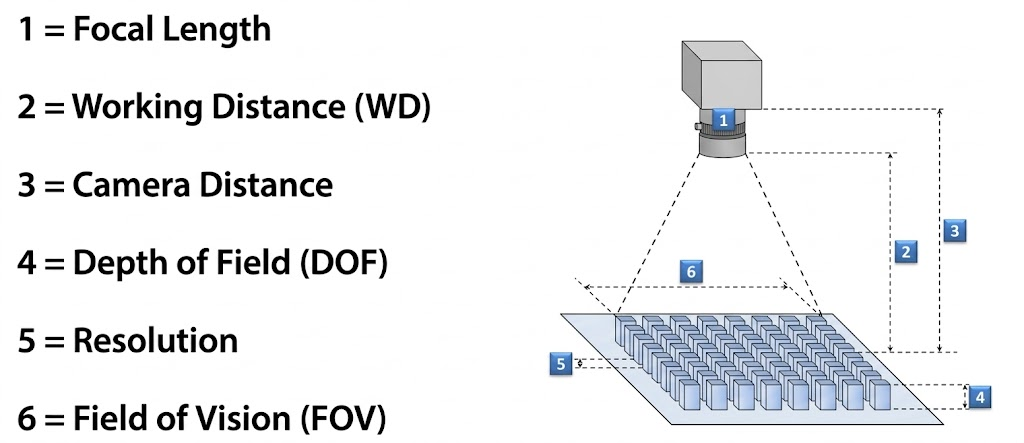
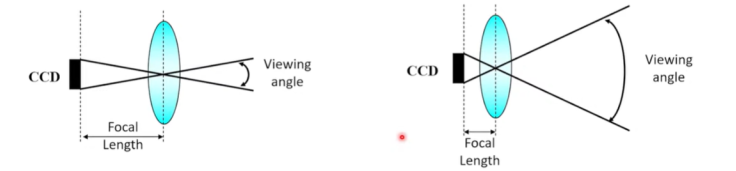
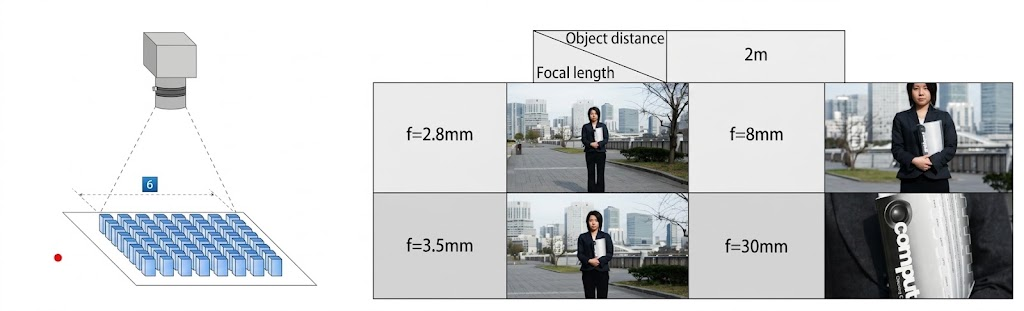
Focal Length: Refers to the distance from the optical center of the lens to the sensor and determines the magnification ratio of the image. As the focal length increases, the field of view narrows, but the level of detail in the image increases. Short focal lengths are used to capture wide areas, while long focal lengths are preferred for achieving high detail in narrower fields.
Basic Calculation in Lens Selection: This is performed by taking into account the sensor size, working distance, and object size. Generally, the goal is to project the entire object onto the sensor at the correct proportion. This calculation is critical for determining the correct focal length and must be completed in the early stages of system design.
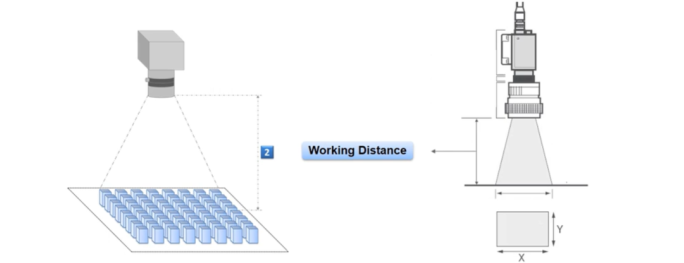
Camera Distance: Refers to the total positioning distance of the camera system relative to the object, and is usually evaluated alongside the lens's working distance. This parameter is crucial for correctly designing the optical setup and the mounting geometry of the system.
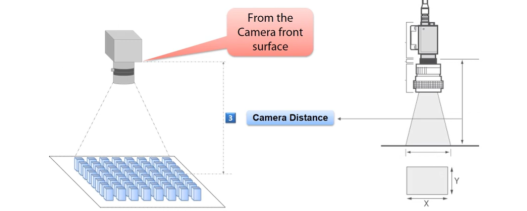
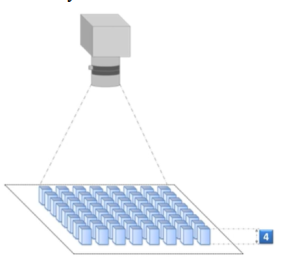
Depth of Field (DOF): Refers to the specific distance range within which the object remains sharply in focus. A high depth of field allows surfaces with varying heights to be captured with consistent sharpness, playing a critical role especially in the inspection of parts with 3D topographies.
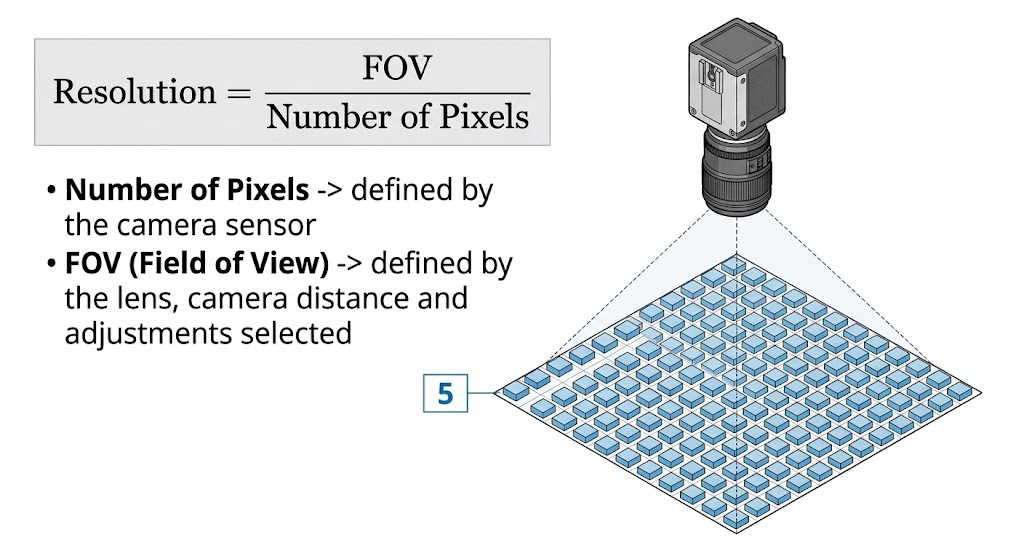
Resolution: Expresses the system's ability to distinguish the smallest possible detail between two points. This value depends on both the sensor's pixel size and the optical quality of the lens being used, ultimately determining the detail detection capacity of the entire imaging system.
Field of View (FOV): Expresses the actual physical area the camera can "see" from a specific distance. FOV depends directly on the focal length of the lens and the size of the camera sensor. In practice, the correct FOV must be selected so that the entire object to be inspected fits precisely within the image frame. An incorrect FOV selection leads either to missing parts of the object or capturing excessive, unnecessary background data.
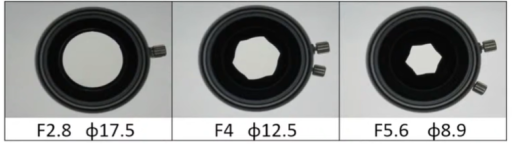
F-Number (Aperture): A parameter that determines the light transmittance of the lens. A low f-number (wider aperture) allows higher light transmittance, providing a significant advantage in low-light conditions; however, this causes the depth of field to decrease. Conversely, a high f-number (narrower aperture) provides a wider depth of field but transmits far less light. Therefore, the f-number must always be optimized in conjunction with your lighting conditions.
In summary; accurately understanding fundamental lens parameters prevents your hardware investment from going to waste and allows you to strike a perfect balance between the physical constraints of the production line and your optical requirements. Every single value, from focal length to light transmittance, directly dictates the quality of the image your software will ultimately process.
Now that we have explored the world of lighting and optical lenses in full detail, we can transition to the ultimate hardware that will convert that meticulously crafted image into digital data.
In the next part of our series, we will bring the topic of Industrial Camera Types and Sensor Technologies—the digital eyes of machine vision systems—to the table. Stay tuned!